48-Hour Paris Box
Ready-made two-day Paris route with morning-to-evening flow and booking priorities.
Ready-made two-day Paris route with morning-to-evening flow and booking priorities.
Two days in Paris work best with a clear but not rigid flow. This box gives a morning-to-evening shape that covers the essentials without forcing every famous corner into the same short window.
DAY ONE
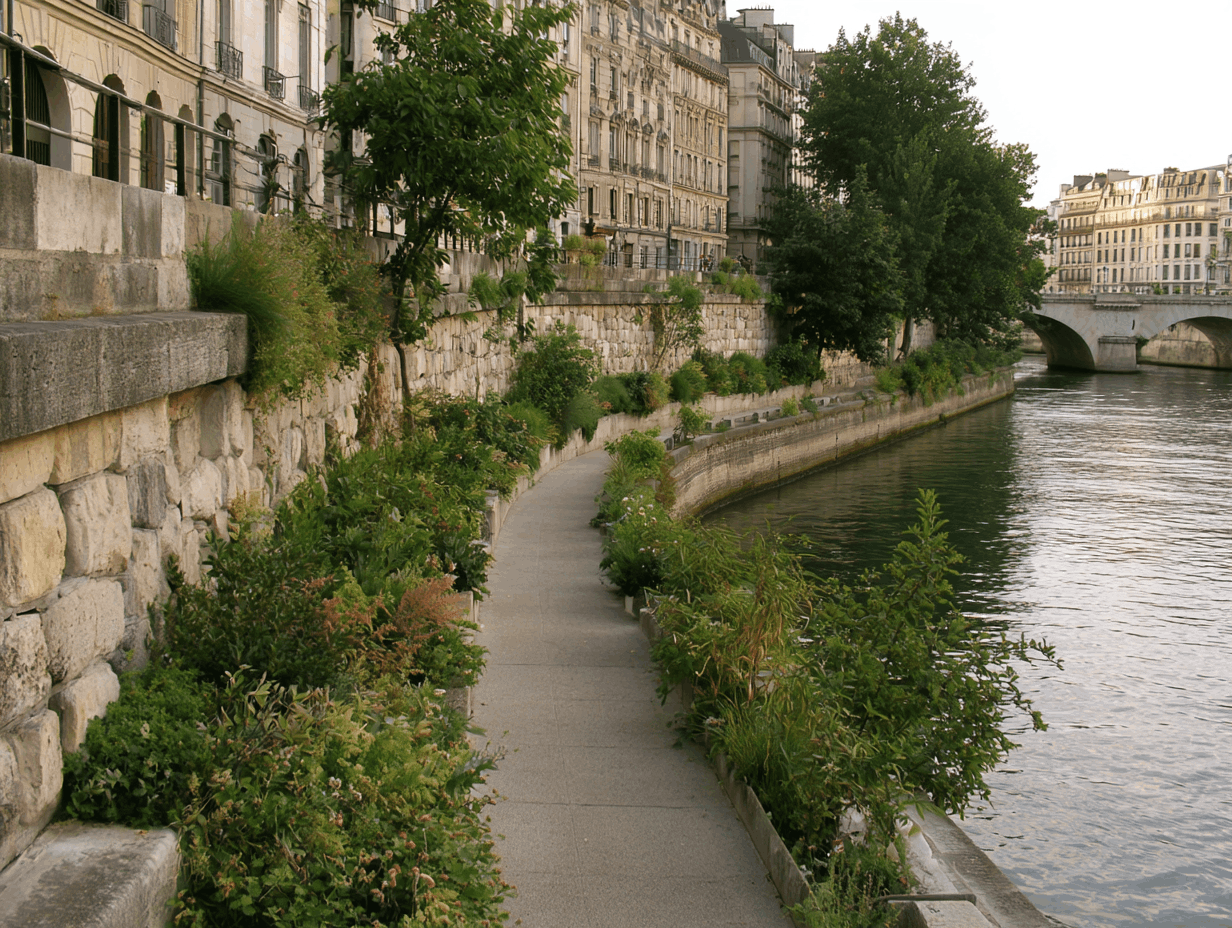
Morning starts near the river. Walk the classic central stretch while the light is still soft and the streets are quieter. Cross one of the older bridges and move toward the islands for a slower pace. A short coffee stop helps before the middle of the day fills up. Midday is for a simple lunch in a side street rather than the busiest squares. Afternoon heads toward a major museum or a wide park, depending on energy and interest. Choose one and stay long enough to feel it rather than rushing both. Evening brings a longer walk as the lights come on, then dinner in a neighbourhood a little away from the main flow. Keep the night early enough if the next morning needs to start fresh.
DAY TWO
Morning opens with a different angle, perhaps a higher viewpoint or a quieter historic quarter. The early hours still give breathing room before the larger groups arrive. Late morning can include a market stop or a slower neighbourhood wander. Lunch stays light and local. Afternoon is flexible, a second museum, more river time, or simply sitting in a square watching the movement. If something from the first day was missed and still matters, this is the window. Evening repeats the pattern of a calm walk and a proper meal, then a final look at the lit buildings before the short stay ends.
BOOKING PRIORITIES
Any timed museum entry should be sorted a few days ahead, the queues without it can take a large part of a short visit. Dinner tables in the better small places fill on weekends, a reservation the day before is usually enough. Apartment or hotel check-in times need confirming so bags can be left and the first walk can start without delay. Transport tickets for the airport or station on the way out are worth having ready. Everything else can stay flexible.
STAY AND MOVE
A central base reduces the time spent crossing the city. Walking covers a surprising amount once the main areas are grouped. The metro helps for the longer jumps and is clear once the line colours make sense. Buses fill gaps but walking and metro handle most of a two-day plan. Comfortable shoes are non-negotiable.
EAT
Keep meals simple and frequent enough. Bakeries for breakfast or a quick bite, small bistros for lunch and dinner. Avoid the restaurants that sit right next to the most photographed spots, the quality rarely matches the location. A market or cheese shop stop adds something local without needing a full sit-down.
DO AND AVOID
Do leave some open time each afternoon, the city feels better when not every hour is assigned. Do pause on bridges and in squares longer than the photos require. Avoid trying to see every major museum, one or two done properly is enough. Avoid the heavy tourist menus and the people offering tickets or tours on the street. Dont carry large amounts of cash or keep the phone out in the most crowded stretches.
A compact two-day shape
Day one: river and centre in the morning, one major indoor or park stop in the afternoon, evening walk and dinner.
Day two: different quarter or viewpoint in the morning, flexible afternoon, final meal and lights in the evening.
Paris in forty-eight hours works when the route stays realistic and the bookings cover only the things that truly need them. Open the box, follow the flow, keep the meals and the pauses in place, and the short stay still feels complete.
Stay in the loop or just say hello
Questions about a box, ideas for new ones, or a quick note after your trip – write to us. You can also leave your email if you want occasional updates when fresh boxes appear.