Budget Europe Box
Low-cost strategies for European city trips: affordable stays, free sights and cheap local meals.
Low-cost strategies for European city trips: affordable stays, free sights and cheap local meals.
Travelling Europe on less money is possible if you stop chasing the expensive versions of everything. This box collects the practical moves that actually keep costs down without turning the trip into a pure survival exercise.
STAY
Hostels with private rooms or simple guesthouses still exist in most cities and cost far less than mid-range hotels. Look for places a few stops away from the absolute centre on a direct tram or metro line, the walk or short ride saves a big chunk of the nightly rate. Apartments with a kitchen let you skip some restaurant meals entirely. Book a bit ahead for weekends but midweek often drops lower. Avoid anything that advertises luxury breakfast or rooftop bars, those extras push the price up fast.
FREE SIGHTS
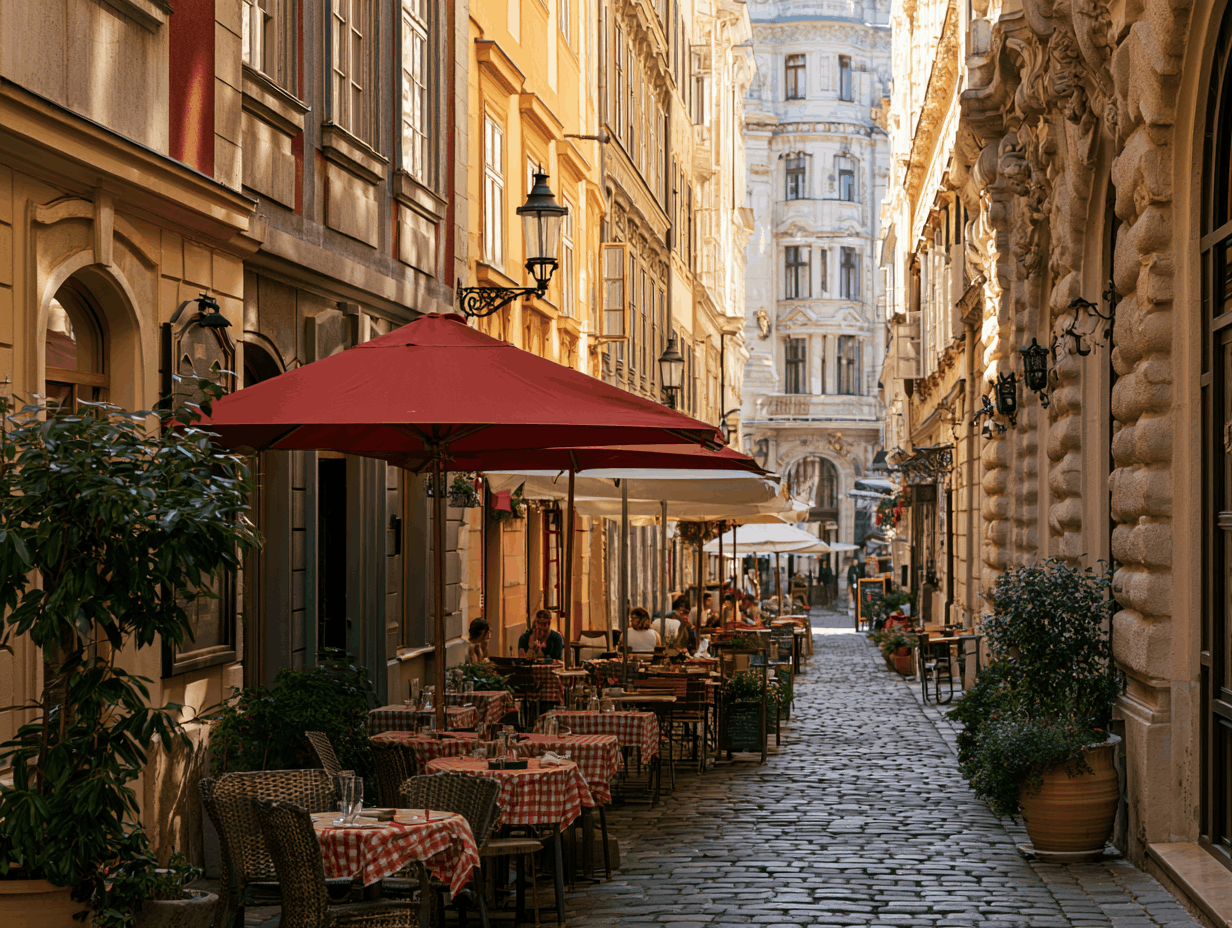
Almost every European city has churches, squares and parks that cost nothing to enter. Walking the historic cores shows you more than many paid museums. Markets are free to wander and give a real sense of daily life. Some museums open free on certain days or late afternoons, check local boards or ask at the tourist info points. Riverbanks and viewpoints rarely charge. The key is slowing down instead of racing between ticketed attractions.
EAT
Supermarkets and bakery chains become useful allies. Fresh bread, cheese, fruit and yogurt cover breakfast and lunches for very little. Street food or small local counters often beat sit-down restaurants on price and taste. In many places a simple daily menu at lunchtime costs half of the evening equivalent. Drink water from fountains where it is safe, buy one coffee and sit longer. Avoid eating right next to the main monuments, the mark-up is obvious and the quality usually lower.
MOVE
Walking remains the cheapest and often the best way to see a city. Day tickets on public transport cover more ground when the distances grow. Night buses or trams sometimes cost the same as day ones and save a taxi. Bike share schemes exist in plenty of places and the first half hour is often very cheap. Skip the tourist hop-on buses, they cost more and move slower than regular lines.
DO
Focus on one neighbourhood properly instead of crossing the whole city every day. Sit in a park with a cheap picnic. Visit free galleries or temporary exhibitions that pop up in public buildings. Evening light turns ordinary streets interesting without any entry fee. If a paid sight really matters, go early or late to avoid the highest crowds and sometimes the highest prices.
BOOK
Transport tickets bought locally or online a few days ahead often beat last-minute rates. Stays with free cancellation give flexibility if plans change. Some cities offer discount cards that only pay off if you visit many paid places, calculate first. Avoid locking every meal or activity in advance, the cheap options usually appear on the day.
AVOID
Dont fall for the free walking tours that end with heavy pressure for tips, a simple self-guided loop works fine. Skip the currency exchange offices in tourist zones, the rates hurt. Avoid carrying every bag into the centre every day, leave extras at the stay. Dont eat every meal out, the costs add up quietly. And please dont assume the cheapest hostel bed is always the best deal if it sits far from any transport.
A practical low-cost rhythm
Morning: free neighbourhood walk or market. Midday supermarket lunch or bakery stop. Afternoon one paid sight if it matters or more free exploring. Evening simple local meal and early night to keep energy for the next day.
Budget travel in European cities works when you treat the free and cheap layers as the main experience rather than a compromise. Open the box, stay a little outside the core, walk more, eat local and simple, and the trip still feels full without the heavy spending.
Stay in the loop or just say hello
Questions about a box, ideas for new ones, or a quick note after your trip – write to us. You can also leave your email if you want occasional updates when fresh boxes appear.