Lisbon City Box
Compact Lisbon guide covering historic hills, viewpoints, local eateries and efficient tram routes.
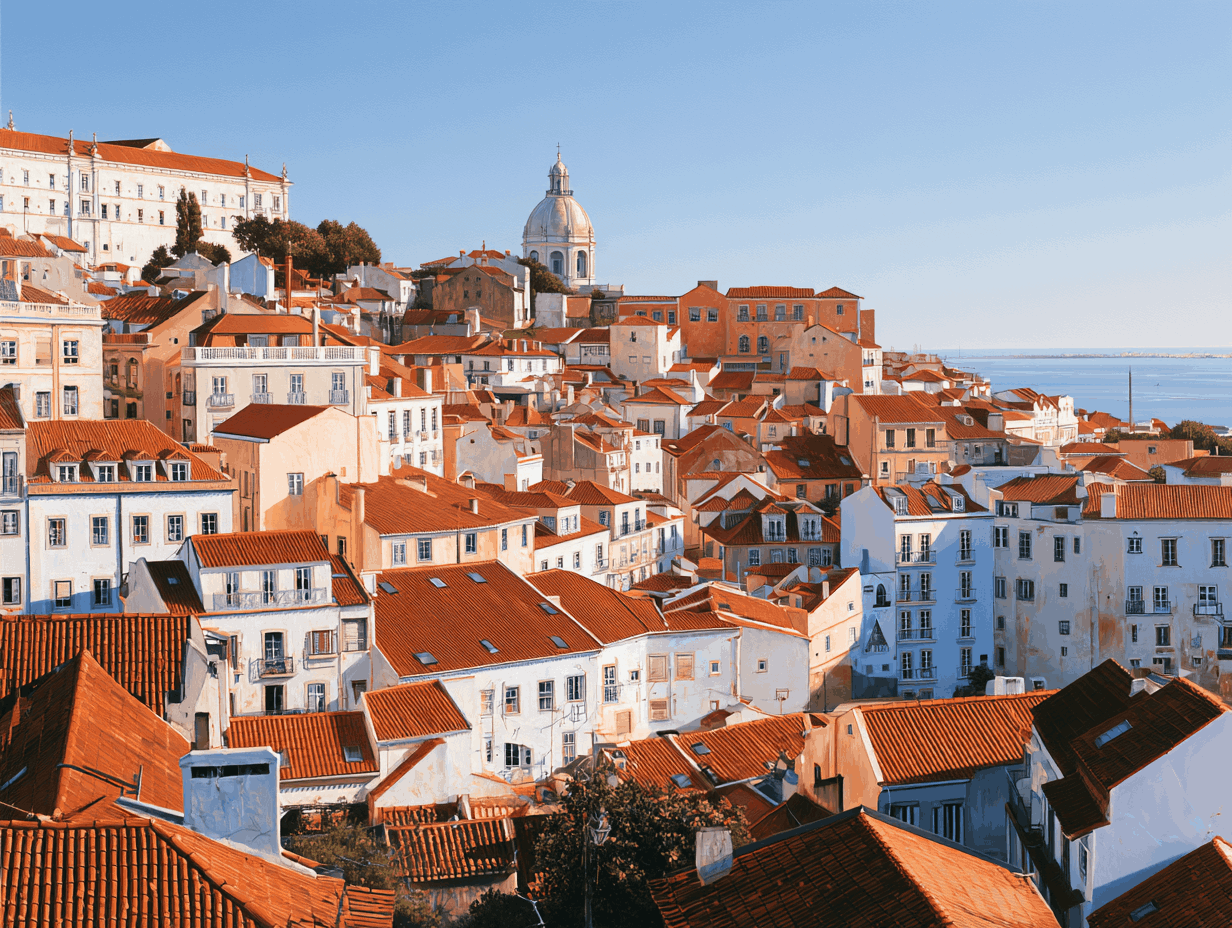
Compact Lisbon guide covering historic hills, viewpoints, local eateries and efficient tram routes.
Lisbon sits on hills and that changes everything about how you move and what you see. This box keeps the focus tight so a short visit still feels full without leaving you exhausted from climbing the same steep streets twice.
STAY
The central areas around Baixa or a bit up toward Chiado put you close to the main walks and tram lines. Small guesthouses or apartments with a view of rooftops work better than big modern blocks further out. Check that the place has a lift if stairs are a problem, many older buildings skip them. Staying near a tram stop saves energy on the uphill returns at the end of the day.
HILLS AND VIEWPOINTS
The city rewards the climbs. One of the classic miradouros gives you red rooftops and the river stretching out, go in the late afternoon when the light softens. Another viewpoint a bit further feels quieter and lets you catch the bridge in the distance. Walking up through the narrow lanes of the older quarters shows you tiles and laundry lines that the main avenues miss. Take it slow, the slopes are real and the pauses at little squares help. Morning light hits the white buildings differently than the golden evening glow.
EAT
Local places still serve the simple grilled fish and vegetable soups that fill you without fuss. Look for tiled interiors a street or two off the main tourist flow where the menus stay short. A quick pastel de nata with coffee works for mid-morning, just pick a bakery where the custard is still warm. Lunch can be a sandwich with cured meats or a plate of seafood rice if you find a spot that looks busy with locals. Evening is better for sitting longer and trying the regional cheeses or a slow cooked dish. Avoid the restaurants that line the busiest squares with big boards outside, the prices rise and the portions often shrink.
MOVE
Trams are the efficient backbone for the hills. The classic yellow ones climb routes that would wear you out on foot, just watch your belongings and board early if you want a seat. Walking works fine on the flatter parts and between close viewpoints. The metro covers longer jumps across the city without drama. Buses fill the gaps but trams feel more useful for the historic core. If your legs protest, hop on a short tram ride even for a few stops, it resets the day.
DO
Ride a tram up just for the views through the window. Wander the older lanes without checking the time. Sit at a viewpoint longer than you planned and watch the light change. Evening walks along the river feel different once the heat drops. One quiet church courtyard or a small garden gives a break from the steeper climbs.
BOOK
Tram tickets or day passes are easy to get at machines, no need for much advance. Dinner tables in the better small places fill on weekends so a quick call helps. Apartment check-ins can run late, confirm the exact time the day before. Viewpoint access is free and open, nothing special to reserve.
AVOID
Dont try to walk every hill in one morning, the legs will quit. Skip the people selling tickets or tours right at the main squares. Avoid carrying heavy bags up the slopes, leave extra stuff at the stay. Dont eat at the first place you see near the biggest viewpoints, walk one street further. And please dont block the tram doors while taking photos, the drivers get impatient fast.
A simple compact flow
Morning: tram up to a viewpoint, slow walk down through the lanes. Lunch nearby. Afternoon another hill or the flatter river side. Evening food and a last look at the lit rooftops.
Lisbon works best when you let the hills set the pace. Open the box, ride the trams, stop for the views, eat simply, and the city settles into place without forcing every corner into the same short visit.
Stay in the loop or just say hello
Questions about a box, ideas for new ones, or a quick note after your trip – write to us. You can also leave your email if you want occasional updates when fresh boxes appear.