Travel Money Box
Practical money handling: cash vs cards, local ATMs and avoiding common fees.
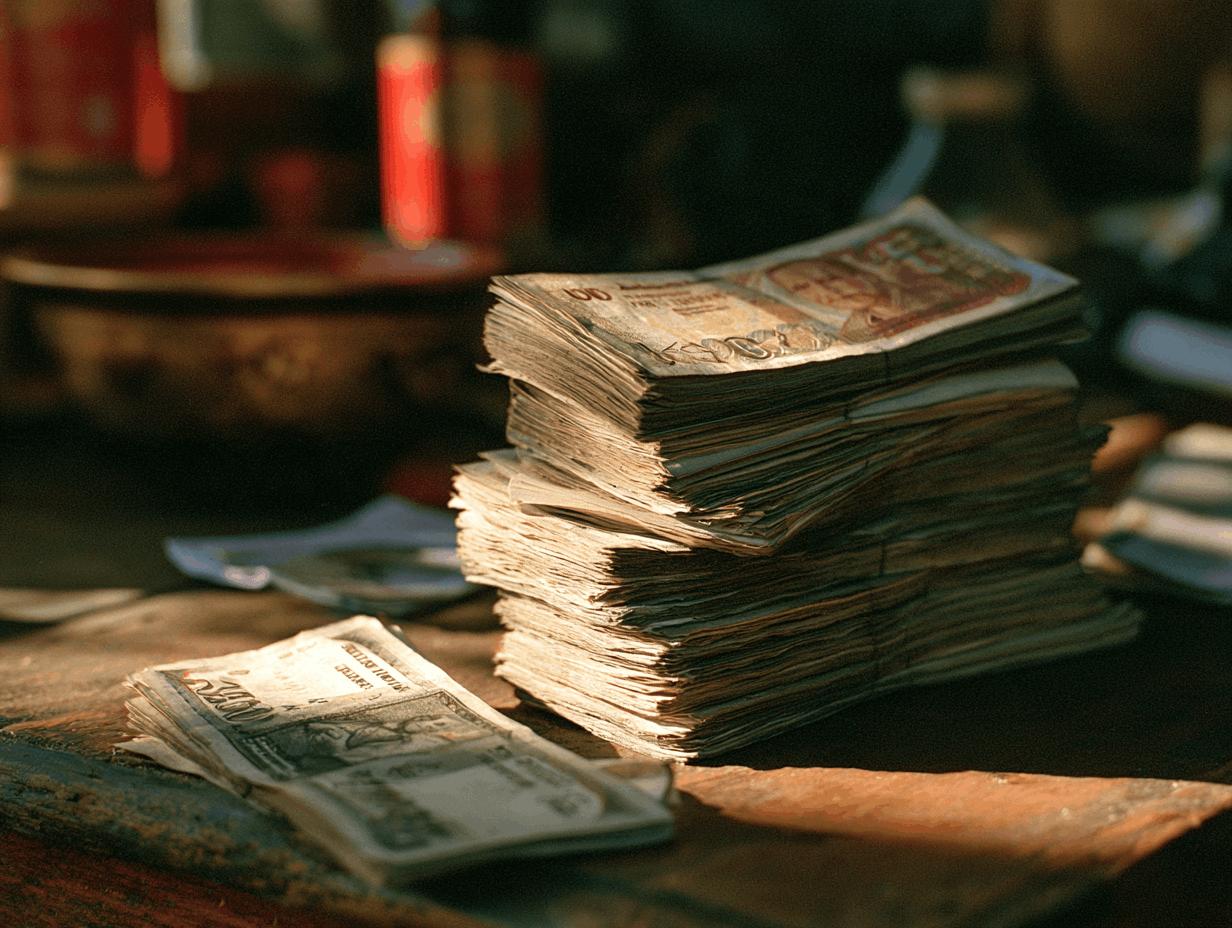
Practical money handling: cash vs cards, local ATMs and avoiding common fees.
Money issues can quietly drain a trip if they are left to chance. This box covers the everyday choices that keep costs clearer and the small surprises fewer.
CASH AND CARDS
Most places now take cards for bigger payments but smaller ones still lean toward cash. A mix works best. Carry enough local notes for markets, short rides, tips and the places that simply prefer it. Cards handle hotels, larger meals and tickets without the bulk. Check before the trip whether your card charges foreign fees, some do and the percentage adds up over a week. Notify the bank that travel is coming so the card is not frozen at the first foreign payment.
LOCAL ATMS
Bank ATMs inside or attached to actual bank branches usually give better rates and fewer extra charges than the freestanding ones in tourist zones. Withdraw larger amounts less often rather than small sums every day, the fixed fees hurt less that way. Decline the conversion offer that appears on the screen, it almost always costs more than letting your own bank handle the rate. Keep the receipt until the account shows the correct amount. If an ATM looks worn or sits in a dark corner, walk to the next one.
COMMON FEES AND HOW TO LIMIT THEM
Dynamic currency conversion is the frequent trap at shops and restaurants, always choose to pay in the local currency when the terminal asks. Some cards charge for every foreign purchase, others for cash withdrawals, know which applies before leaving. Airport exchange desks and hotel cashiers rarely give strong rates, use them only for small emergency amounts. Cross-border fees can appear even between nearby countries, so plan withdrawals inside the zone you are staying.
PRACTICAL HABITS
Split the money between a couple of places, one amount in the day bag and a backup somewhere safer. Keep a small set of notes in an easy pocket for quick payments so the main wallet stays less exposed. Watch the balance every few days if data allows, small errors are easier to catch early. When paying by card, keep the terminal in sight during the transaction.
DO
Withdraw at the start of a stay so the cash is ready. Use cards for the larger fixed costs and cash for the flexible daily ones. Ask the price before ordering if it is not clear, especially in busy tourist spots. Carry a little extra for the final day so the last transport or coffee does not become a problem.
AVOID
Dont change large sums at the first desk you see after arriving. Skip the ATMs that sit right next to major sights or stations when a bank branch is a short walk away. Avoid relying on a single card with no backup. Dont assume every place takes cards, the small ones often do not. And please dont flash large amounts of cash when paying in crowded areas.
A simple daily pattern
Morning: check what cash remains. Use it for the smaller stops. Card for anything larger. Evening: quick look at the totals so the next day starts clear.
Handling money well removes one steady source of low-level stress. Open the box, carry a sensible mix, use bank ATMs, decline the extra conversions, and the spending stays more predictable from the first day to the last.
Stay in the loop or just say hello
Questions about a box, ideas for new ones, or a quick note after your trip – write to us. You can also leave your email if you want occasional updates when fresh boxes appear.